Drill bit types matter when choosing the right bit for wood, metal, concrete, tile, and plastic. Using the correct drill bit helps you get cleaner holes, better performance, and longer bit life. At Ace Hardware Zimbabwe, we understand that every material requires the right tool for the job. This guide will help you understand which drill bit to use and why it matters.
Common Drill Bit Types
Understanding different drill bit types helps you choose the best option for each material and application.
Different materials have different levels of hardness, density, and surface behaviour. A drill bit designed for wood will not perform the same way on steel or concrete. When the wrong bit is used, you may experience:
slow drilling
overheating
rough or oversized holes
damaged work surfaces
reduced bit life
Using the correct bit improves speed, precision, and overall finish.
Drill Bits for Wood
Wood is one of the most common materials drilled in both home and professional projects. For wood, the best options usually include:
brad point bits
spade bits
auger bits
standard HSS bits for general use
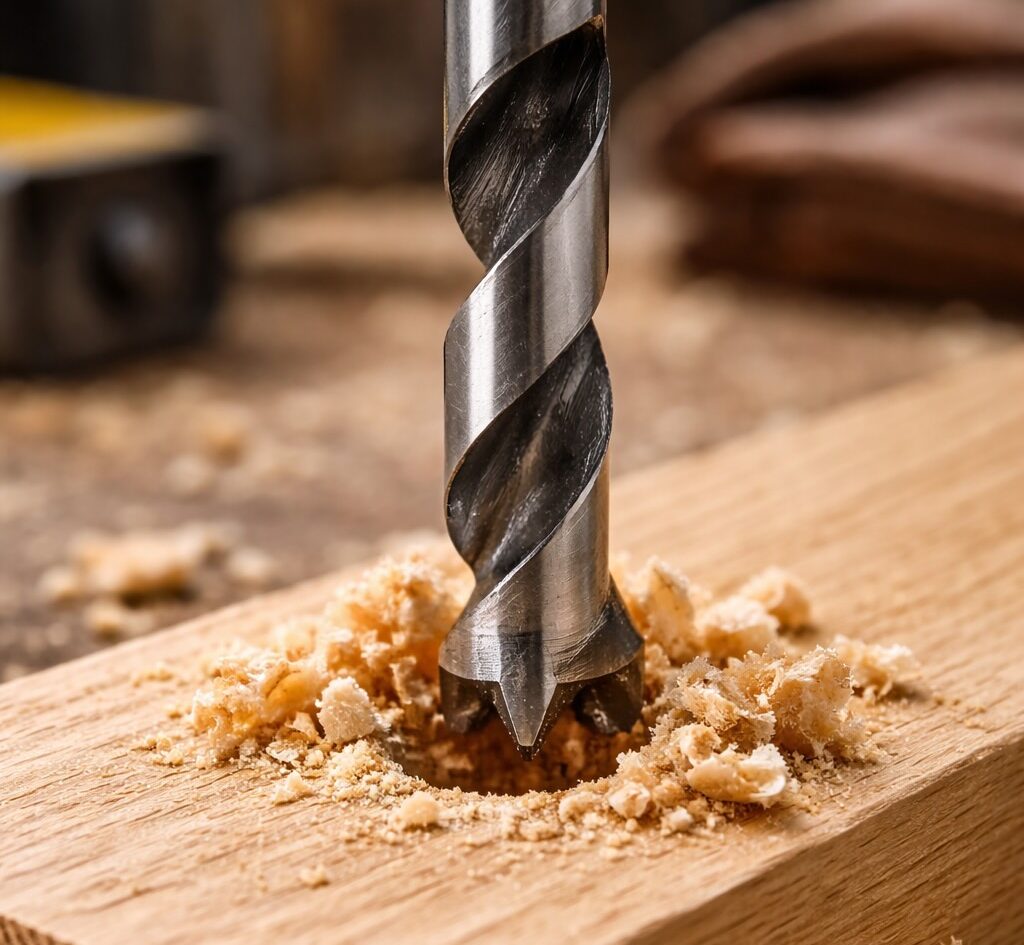
Brad point bits are ideal for neat, accurate holes because their pointed tip helps keep the bit in position. Spade bits are useful for larger holes in softer wood. Auger bits are best when deep, clean holes are needed.
Wood drilling tip:
Use moderate speed and avoid too much pressure to prevent splintering.
Drill Bits for Metal
Metal requires stronger drill bits that can handle heat and resistance. The most common options are:
HSS drill bits
cobalt drill bits
titanium-coated drill bits
HSS drill bits are suitable for many general metal drilling tasks. Cobalt bits are better for harder metals because they are more heat resistant. Titanium-coated bits offer longer life in lighter repetitive applications.
Metal drilling tip:
Use slower drill speeds and apply cutting fluid where necessary to reduce heat buildup and extend bit life.
Drill Bits for Concrete and Masonry
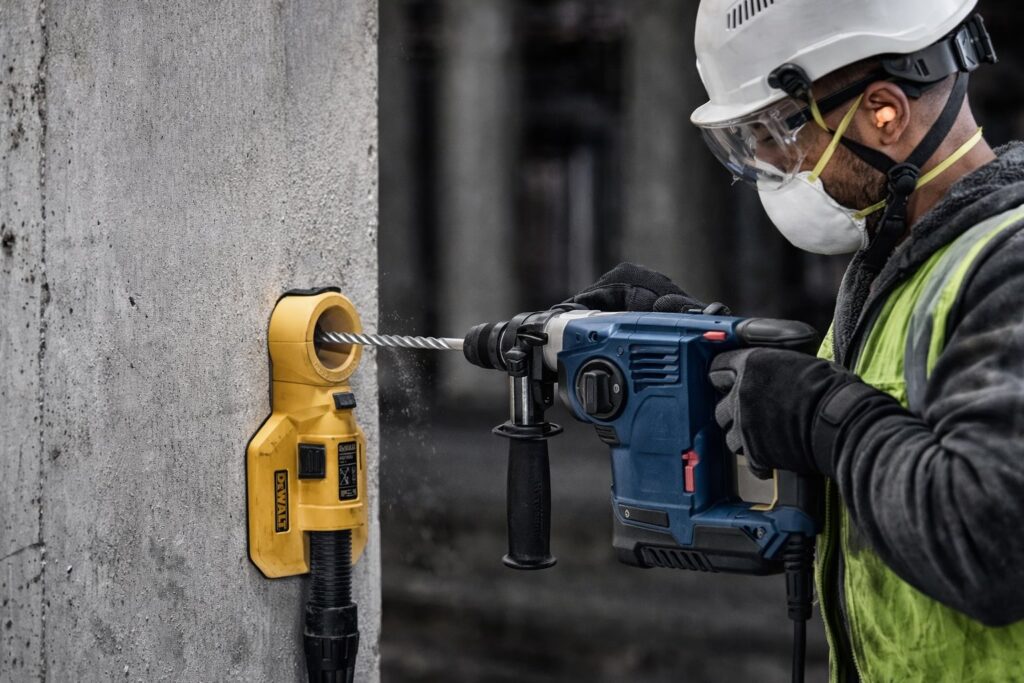
Concrete, brick, and stone need masonry drill bits. These bits are designed with a tougher tip to break through hard surfaces. For best results, they are often used with a hammer drill.
Masonry drilling tip:
Let the drill do the work. Too much force can damage the bit or the surface. Clear dust regularly during drilling.
Drill Bits for Tile and Glass
Tile and glass are delicate materials that need extra care. Special tile or glass bits are designed to reduce cracking and improve control. These bits are often spear-shaped and should be used at lower speed.
Tile drilling tip:
Start slowly and keep the bit steady. Avoid hammer action unless the product specifically allows it.
Drill Bits for Plastic
Plastic may seem easy to drill, but using the wrong bit can crack or melt the material. HSS drill bits usually work well, especially when drilling at controlled speed.
Plastic drilling tip:
Use light pressure and slower speed to avoid heat buildup and edge damage.
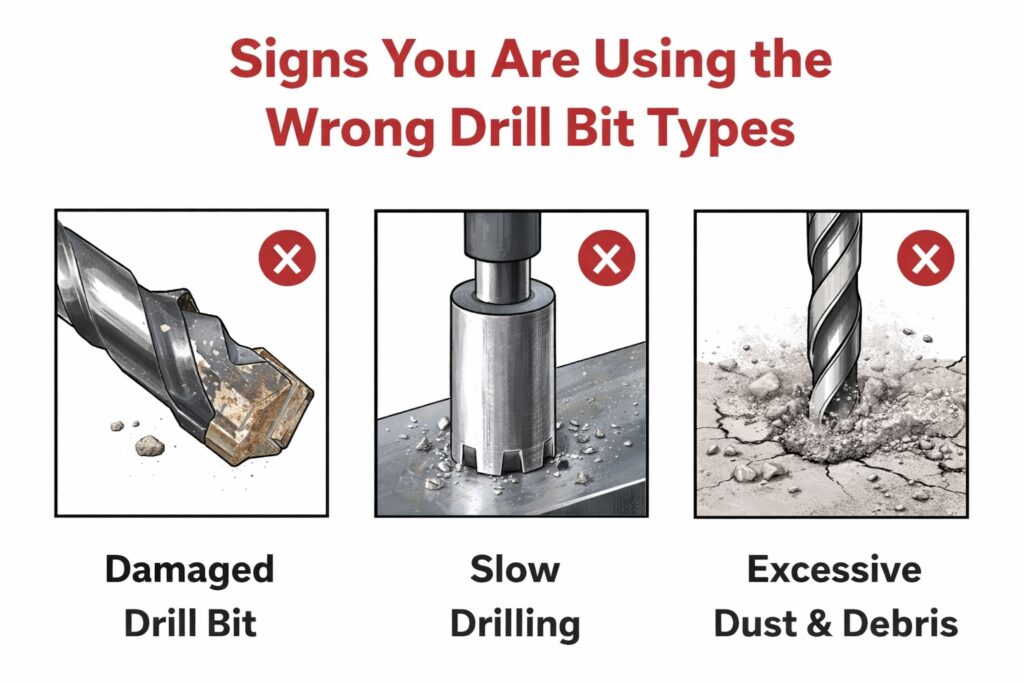
Signs You Are Using the Wrong Drill Bit Types
Here are a few warning signs:
the bit struggles to cut
smoke or excess heat appears
the hole edges are rough
the material cracks or chips
the bit becomes dull too quickly
If any of these happen, it is worth checking whether the bit matches the material.
General Tips for Better Drilling Results
For better performance across all materials:
match the bit to the material
use the correct speed setting
keep bits sharp and in good condition
avoid excessive force
secure the workpiece before drilling
use lubrication where needed for metal
These small steps can greatly improve both safety and results.
Final Thoughts
By learning common drill bit types, you can drill more accurately and protect both your tools and your workpiece.
Using the right drill bit for the right material is essential for clean work, longer tool life, and better efficiency. Whether you are a contractor, technician, fabricator, or DIY user, choosing correctly helps you get the best out of both your drill and your material.
If you are looking for reliable drill bits for wood, metal, masonry, and more, Ace Hardware Zimbabwe offers quality options for professional and everyday use.